Quick Answer
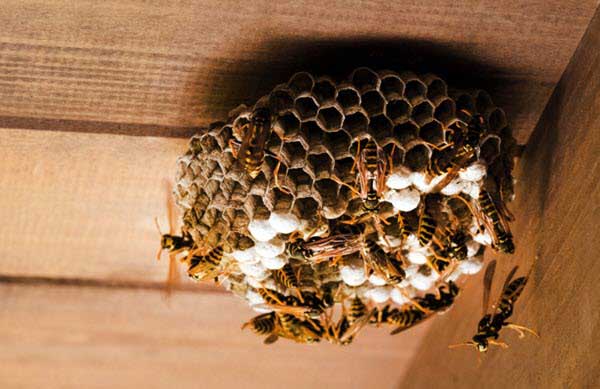
Start early in spring by inspecting eaves, sheds, and deck railings for early nest construction. Seal cracks around windows, vents, and rooflines to block entry points. Keep outdoor eating areas clean, cover compost bins securely, and manage food scraps with care. Trim back overhanging branches that provide access to your roof. These proactive steps significantly reduce the chance of wasps establishing colonies near your living spaces.
Introduction
As the snow melts and cherry blossoms appear across Canadian neighbourhoods, many of us look forward to long evenings on the patio, backyard barbecues, and gardening weekends. Yet for countless homeowners, the return of warmer weather also brings an unwelcome guest: wasps. These intelligent insects can quickly turn a peaceful outdoor space into a zone of caution, especially if a colony decides your home is the perfect place to raise their young.
The good news is that with timely, informed action, you can greatly reduce the risk of wasps nesting near your home. Simple prevention strategies, combined with awareness of local patterns, make a remarkable difference. For residents navigating persistent challenges, connecting with a trusted Calgary pest control resource can provide tailored guidance for your property’s unique layout and history.
In this guide, we walk through a practical, seasonally timed approach to wasp prevention. You will learn how to inspect your property effectively, seal common entry points, manage attractants, and use natural deterrents. We also cover what to do if you discover an active nest, so you can respond safely and confidently throughout the spring and summer months.
Your Seasonal Wasp Prevention Blueprint
Preventing such issues starts with understanding their lifecycle. In Canada, queen wasps emerge from hibernation in early spring, typically April or May, searching for sheltered spots to build new colonies. This narrow window is your best opportunity to act before populations grow. A thoughtful, phased approach from professional pest exterminators in Calgary keeps your home protected without unnecessary interventions.
Early Spring Inspection Checklist
Begin your prevention routine with a thorough property walk-through. Focus on these high-risk areas:
| Location | What to Look For | Action Step |
| Eaves and soffits | Small, golf-ball-sized paper structures | Remove early nests with a long-handled tool at dusk |
| Shed and garage corners | Papery material or chewed wood fibres | Clean surfaces and apply a preventive sealant |
| Deck railings and pergolas | Sticky residue or initial comb structures | Wipe down with soapy water to disrupt pheromone trails |
| Window and door frames | Gaps larger than three millimetres | Seal with caulk or weather stripping |
| Vents and utility openings | Uncovered mesh or loose fittings | Install fine wire mesh with openings under three millimetres |
Conduct this inspection on a calm, cool morning when wasps are least active. Use a red filtered light if checking in low light conditions, as they are less responsive to red wavelengths.
Sealing Entry Points That Matter
Wasps can enter through surprisingly small openings. Prioritize these sealing tasks:
- Apply silicone-based caulk around window frames, door casings, and where utility lines enter your home
- Repair damaged window screens and ensure attic vents have a tight-fitting, corrosion-resistant mesh
- Fill cracks in exterior siding or foundation with expanding foam designed for outdoor use
- Install door sweeps on exterior doors, especially those leading to garages or storage areas
Remember, exclusion is far more effective than removal once a colony is established. A single queen can produce dozens of workers within weeks, so early local Calgary pest removal saves significant effort later.
Smart Sanitation Strategies
Wasps seek protein in spring and sugars in late summer. Manage attractants with these practices:
- Keep compost bins tightly covered and positioned away from high-traffic outdoor areas
- Rinse recyclables before storage and use bins with secure, locking lids
- Clean barbecue grills thoroughly after each use to remove food residues
- Pick up fallen fruit from gardens promptly, as fermenting produce is a powerful attractant
- Store pet food indoors and avoid leaving water bowls outside overnight
A simple table to guide seasonal attractant management:
| Season | Primary Wasp Attractant | Prevention Focus |
| Spring | Protein sources (insects, meat scraps) | Secure trash, cover compost, clean grills |
| Early Summer | Sugary liquids (soda, juice, nectar) | Cover drinks outdoors, manage fruit trees |
| Late Summer | Both protein and sugar | Intensify sanitation, monitor nesting sites |
Natural Deterrents That Work
Several non-chemical approaches can discourage wasps from settling near your home:

- Hang decoy nests in early spring. Wasps are territorial and often avoid areas where colonies appear established
- Plant natural repellents like mint, eucalyptus, or citronella near patios and entry points
- Use essential oil sprays with peppermint or clove on railings and eaves (reapply after rain)
- Install yellow bug lights on outdoor fixtures, as wasps are less attracted to yellow wavelengths than bright white ones
These methods work best as part of a layered strategy by pest control services in Calgary. Consistency matters more than any single solution.
Monitoring Through the Season
Prevention is an ongoing process. Set a monthly reminder to:
- Re-inspect previously sealed entry points for new gaps
- Check decoy nests and refresh natural deterrent applications
- Walk property boundaries to spot new nest construction early
- Review sanitation practices as outdoor activities change with the weather
Early detection makes all the difference. A nest the size of a walnut in May can become a football-sized colony by August. When monitoring reveals persistent activity despite your efforts, exploring pest management services in Calgary can provide expert assessment and targeted solutions for your property.
By following this seasonal blueprint, you create multiple barriers that make your home far less appealing to nesting wasps. The goal is not the elimination of all insects, but intelligent coexistence that keeps your outdoor spaces safe and enjoyable.
What to Do If You Spot a Nest
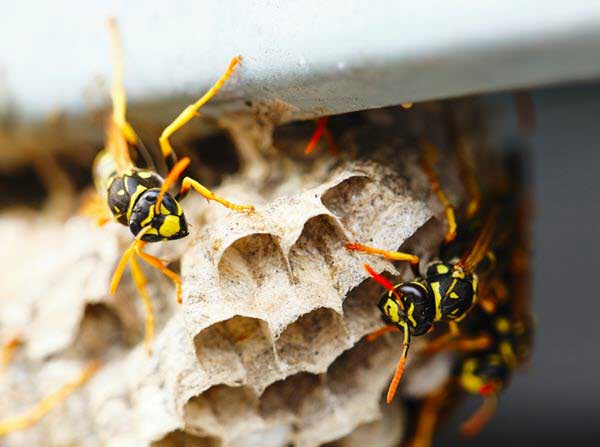
Discovering a nest on your property can feel alarming, but a calm, informed response keeps everyone safe. The right action depends on the nest’s size, location, and species.
Assess Before You Act
Not all nests require immediate intervention. Use this quick reference to guide your next steps:
| Nest Characteristic | Low Risk Scenario | High Risk Scenario |
| Size | Smaller than a golf ball | Larger than a tennis ball |
| Location | Detached shed, far from doors | Eaves above a patio, inside a wall void |
| Activity Level | Few wasps were entering or leaving | Constant traffic, aggressive behaviour when approached |
| Species Clues | Solitary wasps, mud nests | Paper like grey comb, multiple entry points |
If your situation falls into the high-risk column, avoid DIY approaches. Disturbing an established colony can trigger defensive behaviour, and some species can sting multiple times.
Safe DIY Removal: When and How
Only consider handling a nest yourself if all these conditions are true:
- The nest is smaller than a walnut and is discovered in early spring
- It is located in an open, easily accessible area away from high traffic zones
- You can treat it at dusk or dawn when wasps are least active
- You have proper protective clothing: long sleeves, pants, gloves, and a face covering
If proceeding, use a wasp spray designed for long-range application. Stand at the maximum distance indicated on the label, apply according to instructions, and leave the area immediately. Wait at least 24 hours before removing the nest structure. Never use water, fire, or improvised tools, as these often escalate the situation.
When to Seek Expert Assistance
Certain scenarios clearly call for professional support:
- Nests inside wall cavities, attics, or underground
- Colonies near entryways, play areas, or pet zones
- Multiple nests are appearing across your property
- Any situation involving residents with allergy concerns
In these cases, experienced technicians have the equipment, knowledge, and safety protocols to resolve the issue efficiently. For homeowners weighing their options, consulting residential pest control in Calgary specialists ensures you receive advice tailored to local species behaviour and seasonal patterns.
Final Takeaways for a Wasp Wise Season
Living comfortably alongside nature is entirely possible with the right preparation and perspective. Wasp prevention is not about fear or elimination, but about creating smart boundaries that protect your peace of mind while respecting local ecosystems. By acting early, staying consistent, and responding thoughtfully, you can enjoy your outdoor spaces all season long.