Your water bill jumped $40 this month and you have no idea why. The plants near the hose bib look fine, the patio is dry, and nothing in the house is dripping. But something is wrong, and that something is probably a leak buried in the soil between your outdoor spigot and your garden beds.
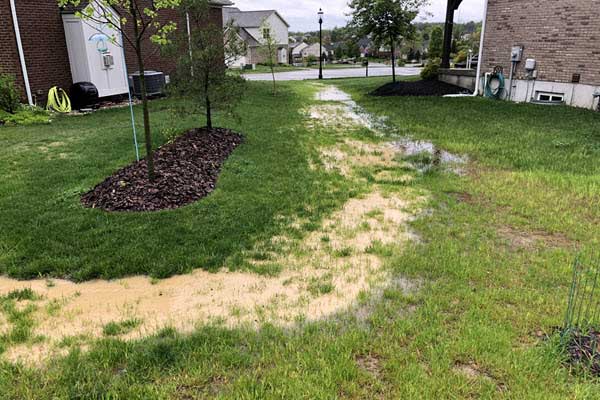
Here’s the thing you need to hear: outdoor leaks rarely announce themselves. They hide under mulch, seep along buried lines, and slowly wash away the soil your plants depend on. By the time you see a soggy patch or a cracked paver, the damage has been building for weeks. This guide walks you through the quiet signs, the simple detection methods, and the fixes that keep both your pipes and your landscape intact.
Why Outdoor Leaks Are Easy to Miss
Indoor leaks drip onto floors, stain ceilings, and make themselves obvious. Outdoor leaks have nowhere to show off. The water just soaks into the ground, and the signs look like normal garden quirks that are easy to explain away.
That patch of grass that stays greener than the rest? You probably thought it was just getting more sun. The sunken area near your walkway? You figured the soil settled. The faint hissing sound by the fence? Maybe wind through the trees.
Here’s what actually happens underground. A small leak in an irrigation line or a supply pipe pushes water into the soil continuously. Over time, that water erodes the dirt around your plants’ roots, creates air pockets, and can literally wash your garden bed out from underneath itself. According to the Environmental Protection Agency, household leaks in the United States waste nearly 900 billion gallons of water annually, and a significant portion of that waste happens outdoors where nobody notices it until the bill arrives.
I have seen garden beds collapse six inches after a neighbor’s buried line failed. The topsoil looked fine, but the structure underneath was gone. That is what a hidden leak does, and it does it quietly.
The Early Warning Signs You Should Never Ignore
Your garden talks to you. You just have to learn its vocabulary. Here are the four signals that a leak is already working on your yard, listed in the order you will probably notice them.
Unexplained Greener Patches
When one strip of your lawn stays vivid green while everything else fades in a dry spell, that strip is drinking more water than the rest. It could be a fertilized patch, but if you have not fertilized there, it is likely a leak feeding that grass a steady diet of moisture.
Soft or Soggy Spots
Walk your yard after a dry day. If a specific area squishes under your boots and there has been no rain, water is pooling beneath the surface. This is the most direct physical evidence of an underground leak, and it deserves action that same week.
Sinking or Settling Soil
Leaking water carries fine soil particles away with it. When the dirt leaves, the surface drops. A new depression near a pipe route, a leaning fence post, or a paver that suddenly sits lower than its neighbors all point to erosion below.
Spikes in Your Water Bill
This one is the accountant’s proof. The United States Geological Survey notes that a household with a leak can see its monthly usage climb dramatically without any change in routine. If your bill jumps and your indoor habits have not, the water is going somewhere outdoors.
Not every leak shows all four signs. Two of them together, though, is enough to start investigating this weekend rather than waiting for the problem to grow.
Doing the Dirt Test in Your Own Backyard
Before you call anyone, you can narrow down where the leak lives with a process you can run in an afternoon. I call this the Dry Day Scavenger Hunt, and it requires no special tools beyond your eyes and a notepad.
- Pick a genuinely dry day. You need three days without rain so the ground shows its true moisture level.
- Map your water lines. Find where your outdoor spigot enters the ground and trace the likely path to your irrigation zones. Mark the route in your head or on a sketch.
- Walk that path slowly. Look for greener grass, soggy soil, new moss growth, or soil that looks darker than the surrounding area. Moss appearing on a patio crack directly above a pipe is a classic tell.
- Test the pressure. Turn off all indoor and outdoor water, then open your outdoor spigot fully. If the flow seems weak, something is restricting the line, often a leak bleeding pressure.
- Check the meter. Find your water meter and note the reading. Wait two hours with everything off. If the meter moved, water is flowing somewhere, and you now know it is between the meter and your fixtures.
That last step is the closest thing to a verdict you can get without professional gear. A moving meter with all taps closed means a leak exists. The only question left is exactly where it hides.
Now, here is where I will tell you something practical: if the Dry Day Scavenger Hunt confirms a leak but you cannot find the wet spot, do not dig trenches across your whole yard guessing. That is how people end up with more damage than the original leak caused.
Common Leak Locations to Check First
Certain spots fail far more often than others. Check these five before you consider calling in help, because the fix might be a simple tightening or a small repair you can handle yourself.
| Location | Why It Fails | What You Will See |
|---|---|---|
| Hose bib connection | Frequent turning wears the washer and threads | Slow drip near the wall, rust streaks on the spigot |
| Irrigation valve boxes | Valve seals degrade from constant pressure | Puddles inside the box, constantly damp mulch |
| Underground pipe joints | Soil shifts and root pressure move the fittings | Soggy patches along the line route |
| Drip line emitters | Emitters clog, crack, or pop off | Miniature geysers or saturated spots at plant bases |
| Transition points at patios | Pipes rub against concrete edges as the ground settles | Cracked grout, damp pavers, or a gap between soil and hardscape |
If your leak sits at the hose bib or a visible emitter, you can likely handle it with a wrench and a replacement washer. If it lives underground in a buried supply line, that is a dig-and-repair job with real consequences for your pipes if done wrong.
When Hidden Means Buried
Here is the uncomfortable truth about buried line leaks: by the time you notice the soggy patch, the water has been carving a path through your soil for a while. The erosion under your hardscape can shift patios, crack walkways, and even undermine a retaining wall’s footing.
The Department of the Interior reports that aging water infrastructure across the country loses significant volumes of treated water to leaks before it ever reaches a tap or a sprinkler head. Your yard’s buried lines are part of that same story on a smaller scale.
When your Dry Day Scavenger Hunt points to a buried leak that you cannot pinpoint, stop guessing. This is the moment to bring in someone with electronic detection gear that can trace the exact rupture point without tearing up your garden beds. A professional using acoustic sensors can find a leak within a foot of its location, which means one small excavation instead of a trench across your whole landscape.
If you live in an area with volcanic, rocky, or heavy clay soil, the stakes go up even more. Digging blindly in that ground damages roots, disturbs your soil structure, and can leave your garden looking like a battlefield. Professional leak detection in kula exists precisely for this situation, and paying for a precise locate is cheaper than replanting an entire bed after a careless dig.
Protecting Your Garden While You Fix the Problem
Whatever route you take, DIY or professional, keep your plants in mind during the repair. Roots and digging do not mix, and the repair crew will not know where your prized specimens live unless you tell them.
Before any excavation happens, mark your valuable plants with flags or stakes. Identify your drip irrigation zones so they can be capped or rerouted safely. And after the repair, water the disturbed area deeply once to help the soil settle back around the roots that survived the work.
Here is my honest take: a small leak at a visible connection is a weekend project. A buried leak you cannot locate is not a test of your manhood or your frugality. It is a test of whether you value your garden’s root systems more than you value the cost of a service call.
Value the roots. The plants will thank you by living.
Your Water Bill Is the Cheapest Leak Detector You Own
Go pull your last three water bills right now. Compare the usage numbers, not the dollar amounts, and look for a steady climb that has no explanation in your habits. That trend line is the earliest warning system most homeowners ignore until the damage is visible above ground.
The quiet leaks are the expensive ones, and they become expensive in two ways at once. You pay for water you never use, and you pay again when the erosion forces a landscape repair. Catching the problem in its first month costs a fraction of what it costs in month six.
So take the walk this weekend. Run the Dry Day Scavenger Hunt. Check that meter. Your garden cannot tell you where the water is going, but it will show you if you know what to look for. Will you catch the leak this month, or will your patio settle into that sunken spot before you do?