Wildlife encounters can turn a normal day into a chance to learn a lot about nature. If you see animals with your own eyes, you feel something that you do not get from pictures or videos. When these trips are led by skilled wildlife workers, people can get to know how animals live, where they stay, and what problems they face. This does not just make it a good day for us. It can push us to care about saving animals and their homes for a long time.
Learning Through Meaningful Animal Encounters
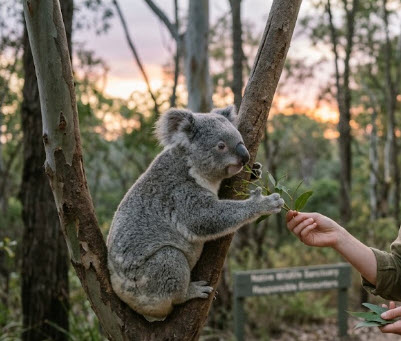
A well-planned wildlife visit lets people watch the animals and learn about what they need and how they live. If you want to meet a koala bear in melbourne, going to a place with trained staff can help you understand the way these native animals live and behave in the wild.
Koalas like to rest a lot. They eat eucalyptus leaves for food. The leaves do not give them much energy, but koalas still depend on them. They need a special place to live and certain food to eat. All of this makes koalas very interesting and important to learn about when we talk about caring for animals and saving nature.
Why Guided Experiences Matter
Wildlife professionals help people know how watching an animal is not the same as being with it in the right way. They can talk about why animals need time to rest. They also tell you that contact must be safe for the animal and follow strict rules. Human actions can change the number of animals living in an area.
From Personal Memories to Conservation Awareness
A meeting with an animal is more special when people know the bigger story behind it. When you learn about things like loss of home, sickness, bushfires, and why joined-up eucalyptus forests matter, you see how important it is to take care of wildlife. What starts as simple interest can turn into real respect for all the work people do to help keep animals safe.
Interactive wildlife experiences can help many kinds of visitors:
- Families: Help children find a fun way to learn about different animals and how to care for them.
- Wildlife enthusiasts: Let people watch amazing animal actions and feel free to ask questions.
- Students: Link what they learn in class about nature with things they see in the real world.
- Travellers: Offer people a closer look at Australia’s animals and help them learn about how to care for the land.
What Makes a Wildlife Experience Educational?
Not every place with animals is as good for learning. It depends on how well the animals are cared for, how much the workers know, and how they help people. You should be able to do more than just take pictures. A good place will help you learn something new about the animals.
| Experience feature | Educational value | What visitors should look for |
| Expert guidance | Explains animal behaviour and biology | Knowledgeable, trained staff |
| Welfare-focused interaction | Respects the animal’s comfort | Clear handling and contact rules |
| Conservation information | Connects wildlife to environmental challenges | Practical facts about habitats and threats |
| Responsible visitor practices | Encourages lasting behavioural changes | Instructions on respectful observation |
Choosing an Encounter That Respects Wildlife
Questions Worth Asking Before Booking
Before you pick an experience, make sure the people running it care about animal welfare. They should tell you what you will do if you join. Ask if you can touch or hold the animals. Not every place will let you do this. It depends on the rules of their place, how the animals feel, and the laws about this.
Visitors need to follow what the staff says. You should not make sudden moves. You must respect any rules about taking pictures or touching. A good visit will put the animal’s wellbeing first. It does not mean you get to do whatever you want with the animal.
Conclusion
A well-planned wildlife meetup can make a simple trip feel special and teach people about nature and caring for animals. If you choose to meet a koala bear in melbourne through Wild Action, you get to be near this well-known animal, talk with skilled handlers, and learn why keeping native animals safe is important. The best times are those that mix real connection with good animal care, and these moments help visitors feel more care for wildlife and make them want to protect it even more.
Frequently Asked Questions
1. What can visitors learn from interactive wildlife experiences?
Visitors can learn about animal behaviour, natural habitats, dietary needs, and conservation challenges through guided experiences with knowledgeable wildlife professionals.
2. Why is responsible animal interaction important?
Responsible interaction protects animal welfare by minimising stress, respecting natural behaviours, and ensuring that any contact follows appropriate care guidelines.
3. Are koala encounters suitable for families with children?
Many wildlife experiences can be enjoyable for families, offering children an engaging way to discover native animals. Age restrictions and participation rules vary by operator.
4. How can wildlife encounters encourage conservation?
Seeing animals up close can help visitors understand environmental threats, including habitat loss and bushfires, encouraging greater awareness of wildlife protection.
5. What should visitors check before booking a koala encounter?
Visitors should review animal welfare practices, supervision arrangements, age requirements, interaction policies, and the educational information provided during the experience.