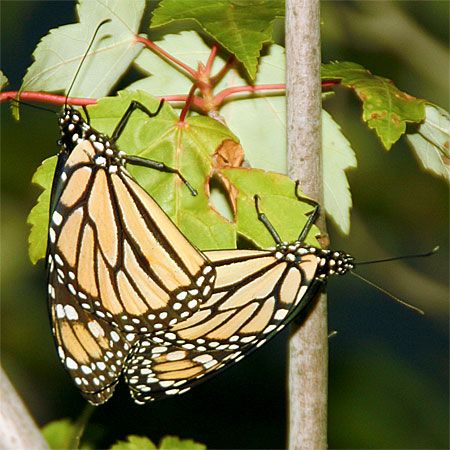
Gardens that welcome butterflies, bees, and songbirds bring a quiet kind of satisfaction to homeowners. Watching pollinators move between blossoms or spotting a monarch caterpillar on a milkweed leaf connects people to the natural world in a way few other hobbies can match. Yet many homeowners hesitate to plant generously for fear of drawing in ants, rodents, or other unwelcome visitors that might eventually find their way indoors. The good news is that wildlife-friendly gardening and pest prevention are not opposing goals. With thoughtful planning, it is entirely possible to cultivate a landscape that hums with beneficial life while keeping the home itself well protected.
Choosing Native Plants That Support Pollinators Without Overrunning the Yard
Native plants form the backbone of any garden designed to support local wildlife. Because these species evolved alongside regional insects and birds, they typically require less water, less fertilizer, and fewer interventions than exotic ornamentals. Coneflowers, black-eyed Susans, milkweed, and native asters tend to thrive with minimal fuss while offering nectar and pollen that butterflies and bees have relied on for generations. Choosing plants suited to the local climate also reduces stress-related disease and pest susceptibility, since a plant that struggles to survive in unfamiliar conditions is more likely to attract opportunistic insects.
It helps to think in layers when designing a pollinator bed. Low groundcovers, mid-height perennials, and a few flowering shrubs create a diverse structure that supports different species without becoming dense or overgrown. Overcrowded plantings, ironically, are often the ones that invite trouble, since thick foliage traps moisture and provides hiding spots for pests looking to establish themselves close to a structure.
Balancing Beneficial Insects With Everyday Garden Maintenance
Not all insects are pests, and part of responsible gardening involves recognizing the difference. Ladybugs, lacewings, and parasitic wasps actively reduce populations of aphids and other plant-damaging insects, making them valuable allies rather than threats. Encouraging these beneficial species through diverse plantings and minimal pesticide use often does more to control garden pests naturally than any manual intervention could.
That said, healthy pollinator habitats still need routine upkeep. Deadheading spent blooms, thinning overcrowded stems, and monitoring for early signs of infestation all help maintain a garden that supports wildlife without becoming a breeding ground for problems. Homeowners who work with a provider like Round The Clock Pest Services sometimes learn that certain “problem” insects were actually beneficial visitors misidentified during a stressful moment. Understanding which insects to welcome and which to monitor closely is a skill that improves with experience and, when needed, professional guidance.
Smart Plant Placement and Water Management Near the Home
Where plants are positioned matters just as much as which plants are chosen. Dense shrubbery pressed directly against a foundation creates a humid, sheltered microclimate that many pests find appealing, including termites, ants, and rodents seeking a discreet path indoors. Maintaining a modest buffer, generally a foot or more, between mature plantings and the exterior wall allows airflow to keep the area drier and less hospitable to pests.
Water management deserves equal attention. Standing water in saucers, birdbaths, or poorly draining soil can quickly become a mosquito breeding site, undermining the very wildlife-friendly intentions behind the garden. Refreshing birdbaths regularly, grading soil away from the foundation, and fixing irrigation leaks all reduce moisture-related pest pressure. This is one of the areas where pest service often reminds homeowners that consistent moisture control does more to prevent indoor pest problems than any single treatment applied after the fact.
A short list of practical habits makes this balance easier to maintain:
- Keep mulch layers to a moderate depth, since piles thicker than a few inches retain excess moisture and shelter insects.
- Trim tree branches and shrubs so they do not touch the roofline or siding.
- Store firewood and garden debris away from the home’s perimeter.
- Clean gutters regularly to prevent overflow that saturates nearby soil.
Seasonal Pruning, Mulch, and Cleanup as Pest Prevention Tools
Seasonal maintenance plays a quiet but significant role in pest prevention. Overgrown vegetation left unpruned through summer often becomes a highway for pests moving toward the home, particularly as outdoor temperatures shift and insects seek shelter. Regular pruning keeps plants healthy, improves air circulation, and eliminates the kind of dense cover that rodents and insects favor.
Mulch, while beneficial for soil health and moisture retention, can also become problematic if applied too heavily or too close to siding. Organic mulch that stays consistently damp attracts termites and other wood-seeking pests, so many landscaping professionals recommend leaving a small gap between mulch beds and the structure itself. Fall cleanup, including removing fallen leaves and spent plant material, further reduces the overwintering sites available to pests before colder weather arrives.