Host plants are the nurseries of the garden. Even though host plants aren’t top-of-mind when planning a butterfly garden, no butterfly garden is complete without these important, ‘behind-the-scenes’ plants. Continue reading to understand why host plants are important and which plants butterflies need.
Why Host Plants are Important
Butterflies need certain plants to lay their eggs and to feed caterpillars. To attract more butterflies and to experience their complete life cycle, host plants are a must. Once you add these plants to your garden, watch for butterflies flying around the plant.
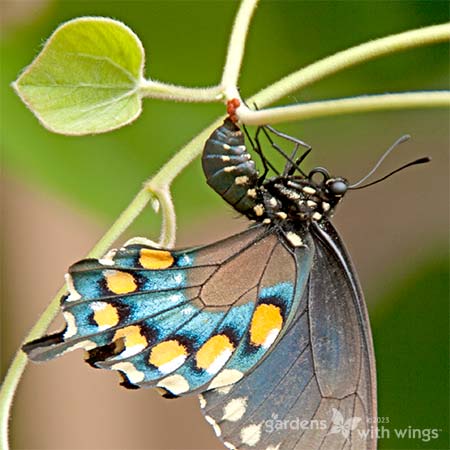
Good chance you will see the female butterfly flit around the plant and gently lay her next brood’s eggs. The eggs are sometimes laid on the stems, sometimes on the top of leaves but usually on the bottom, hidden from predators.
Read more: How to Identify Butterfly Eggs
Caterpillars Emerging From Eggs
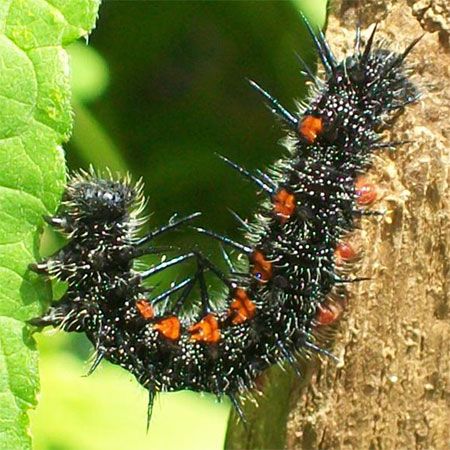
Then, in 10 to 14 days, the tiny larvae (caterpillars), less than an eighth inch long, emerge and begin eating the plant. It’s a fascinating process as they munch away, growing larger every day. Equally intriguing is watching the caterpillar leave the plant to form a chrysalis.
Read more: How to Find Caterpillars
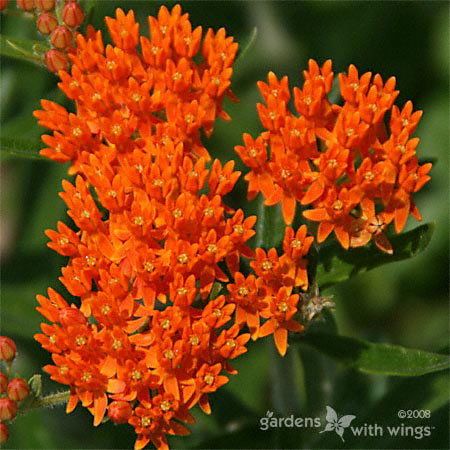
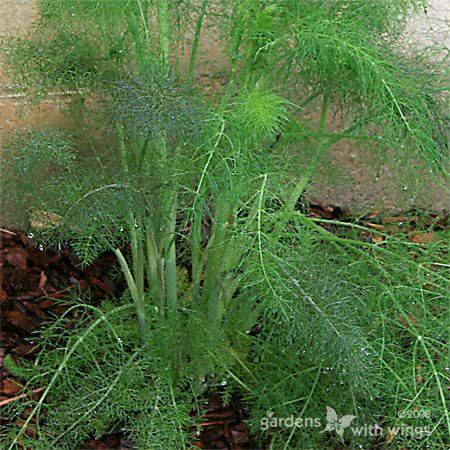
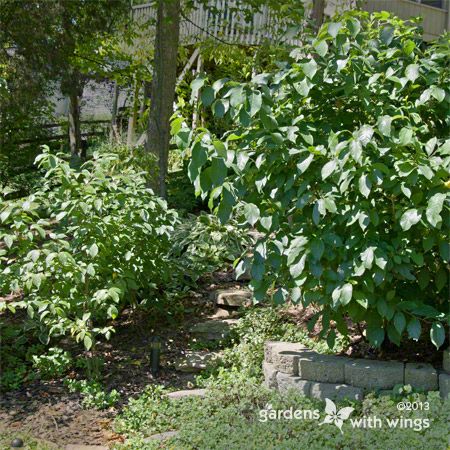
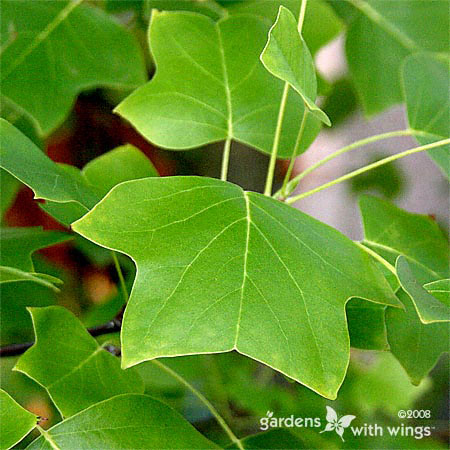
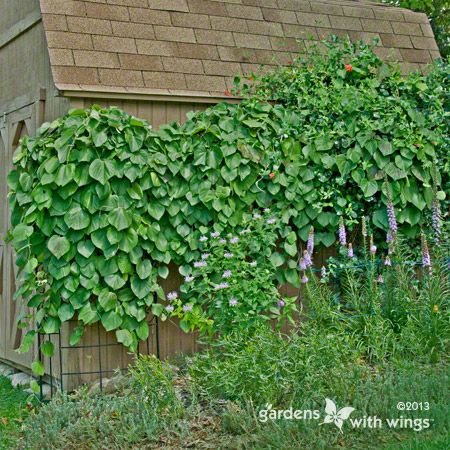
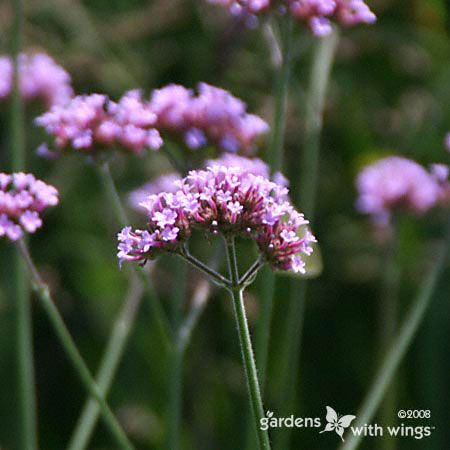
Host plants that attract caterpillars range from flowering plants like Milkweed and Passion Vine to herbs like Fennel, to bushes and trees like Sweet Bay Magnolia.