A productive garden can do far more than make a yard look good. Many common flowers, herbs and edible plants offer practical benefits, from providing nutrient-rich ingredients for meals to creating fresh herbal teas and encouraging more time outdoors. Growing useful plants also gives gardeners greater control over how their food and herbs are raised. If you have room for a few containers, raised beds or a traditional garden plot, these five plants can earn their space by offering both beauty and potential health benefits.
Grow Hibiscus for Herbal Tea
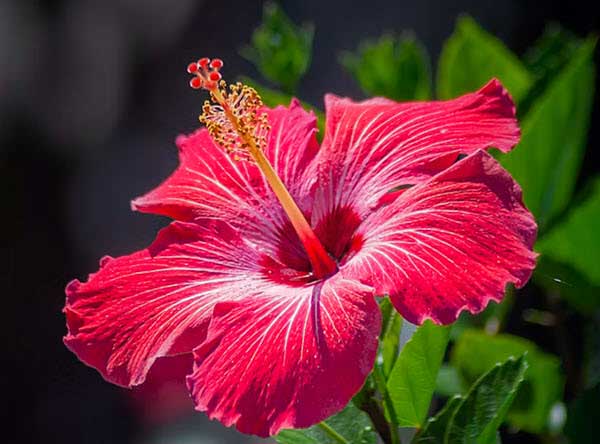
Few flowering plants combine ornamental appeal and kitchen usefulness as well as Hibiscus. Certain edible varieties, particularly Hibiscus sabdariffa, produce the deep red calyces commonly used to make tart herbal teas. The resulting drink has a cranberry-like flavor and can be served hot or chilled, making it an easy homegrown alternative to bottled drinks that may contain plenty of added sugar.
Hibiscus tea contains plant compounds called anthocyanins, which are responsible for its rich color. Research has also examined hibiscus tea for its potential role in supporting cardiovascular health, including healthy blood pressure. Gardeners interested in harvesting it should make sure they choose an edible variety intended for culinary use rather than assuming every ornamental hibiscus belongs in the kitchen. Give the plants abundant sunshine, warmth and consistent watering. When harvest time arrives, dry the calyces thoroughly before storing them for future cups of tea.
Plant Garlic for Your Kitchen
Garlic deserves garden space because it is useful almost every day. A few cloves planted at the appropriate time can eventually provide whole bulbs for roasting, sauces, soups, marinades and countless other meals. Growing garlic at home also makes it easy to experiment with varieties that may be difficult to find at an ordinary supermarket.
Garlic contains sulfur compounds, including compounds produced when fresh garlic is chopped or crushed. It has long attracted scientific interest for its potential cardiovascular benefits, although it should never be treated as a replacement for prescribed medical care. From a nutritional standpoint, its biggest advantage may be even simpler. Garlic adds substantial flavor without requiring large amounts of salt, butter or heavy sauces. Plant individual cloves with their pointed ends facing upward in loose, well-drained ground. Depending on the climate and variety, garlic is commonly planted in fall and harvested after its foliage begins declining the following year.
Make Room for Blueberries
A blueberry bush turns part of the landscape into a source of fresh fruit for years when it receives the right care. Blueberries provide fiber, vitamin C and naturally occurring plant compounds, including anthocyanins. Those same pigments create the berries’ familiar blue-purple color. They are easy to work into oatmeal, yogurt, smoothies and salads, or simply eat fresh after harvesting.
The trick is giving blueberry bushes the growing conditions they actually want. These plants prefer acidic ground, generally with a pH considerably lower than what many vegetables tolerate. Test before planting rather than dumping amendments into the garden and hoping for the best. Blueberries also appreciate good drainage and regular moisture. Depending on the cultivar, planting more than one compatible variety can improve pollination and berry production. Choose varieties suited to your climate, since chilling requirements vary significantly among different types of blueberries.
Build Better Ground for Rosemary
Rosemary is a practical choice for gardeners who want a useful herb without dedicating an enormous amount of garden space to it. Its fragrant leaves can season roasted vegetables, chicken, potatoes, breads and sauces. Rosemary also contains numerous plant compounds that researchers continue to study, and using fresh herbs can make nutritious home cooking considerably more interesting.
Success starts with healthy soil, but that does not mean rosemary wants rich, constantly damp earth. This Mediterranean herb prefers excellent drainage and can struggle when its roots remain wet. In containers, use a well-draining growing medium and make sure excess water has somewhere to escape. Garden-grown rosemary does well in sunny locations where water does not collect after heavy rain. Once established, it generally tolerates drier conditions better than thirsty garden plants. Regular harvesting encourages useful growth while keeping fresh rosemary within arm’s reach whenever dinner needs rescuing from blandness.
Finish With Nutrient-Rich Kale
Kale may not have the visual drama of flowering ornamentals, but it earns its reputation as a garden workhorse. The leaves provide vitamin C, vitamin K, carotenoids and fiber, while the plant can remain productive through weather that sends many warm-season vegetables into retirement. Depending on the climate, gardeners can grow it during spring, fall and even portions of winter.
Harvesting outer leaves while leaving the center intact allows the plant to continue producing. Young leaves work well in salads, while mature leaves can be sautéed, roasted, blended or added to soups. Like any vegetable, kale does not need exaggerated promises attached to it. Its value comes from being a nutrient-dense food that becomes remarkably convenient when it grows a few steps from the kitchen.
A health-focused garden does not require exotic plants or acres of space. Hibiscus, garlic, blueberries, rosemary and kale each offer different nutritional or culinary advantages, and all can become genuinely useful additions to the home garden. Grow what suits your climate and eating habits, then enjoy the simplest benefit of all: fresh ingredients you actually want to use.