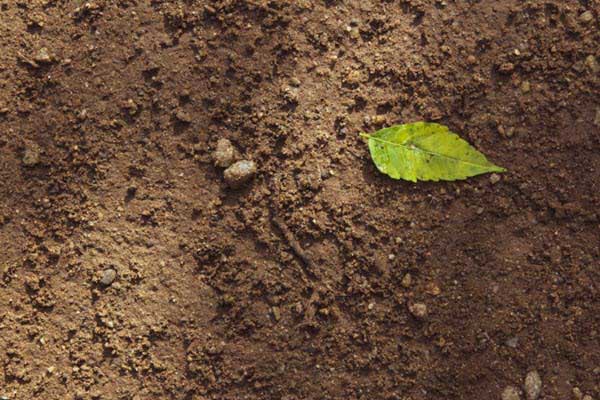
Healthy soil plays a far greater role in backyard gardening than many homeowners realize. Gardeners who research Organic soil treatment solutions often discover that strong soil health directly influences plant growth, tree stability, moisture retention, and long-term landscape success. A thriving garden does not begin with flowers or decorative plants alone because the condition of the soil beneath the surface determines whether an outdoor space can remain healthy throughout changing seasons.
The Relationship Between Soil and Plant Health
Healthy soil provides plants with the nutrients they need to grow strong roots and maintain steady development throughout the year. When soil lacks organic matter or becomes compacted, plants struggle to absorb water and nutrients efficiently. This can lead to weak growth, discoloration, and increased vulnerability to pests and disease.
In many residential landscapes, soil quality gradually declines due to erosion, heavy foot traffic, construction work, or excessive chemical use. Even experienced gardeners may overlook the impact poor soil conditions have on the overall appearance of their yard. Improving soil quality often restores balance to the garden and creates a healthier environment for plants to thrive naturally.
Why Soil Microorganisms Matter
Beneath the surface of healthy soil exists a complex ecosystem filled with beneficial microorganisms. These organisms break down organic material, recycle nutrients, and help plants access the minerals they need to survive. Without this biological activity, soil becomes lifeless and less effective at supporting long-term garden health.
Organic approaches to soil care help maintain this underground ecosystem without introducing harsh chemicals that may disrupt natural processes. Healthy microbial activity also improves soil structure, allowing roots to spread more effectively while helping the ground retain moisture during warmer weather. This creates more stable growing conditions for flowers, shrubs, vegetables, and trees.
How Healthy Soil Supports Strong Trees
Trees depend heavily on soil quality because their root systems require oxygen, nutrients, and proper drainage to remain stable. When soil becomes compacted or depleted, tree roots may weaken over time, making trees more vulnerable to stress and disease. This can eventually affect nearby plants and the landscape’s overall balance.
Healthy soil also allows trees to absorb water more efficiently during dry conditions. Strong root systems help mature trees continue providing shade, erosion control, and visual appeal throughout the property. Homeowners who invest in soil health often notice healthier tree canopies and stronger seasonal growth throughout their gardens.
The Role of Organic Soil Care in Sustainable Gardening
Many gardeners are now shifting toward sustainable landscaping practices that focus on long-term environmental health rather than short-term visual improvements. Organic soil care supports this approach by improving natural soil conditions instead of relying heavily on synthetic fertilizers. This creates a more balanced outdoor environment that supports both plant life and local wildlife.
Sustainable gardening also encourages better water retention within the soil, reducing unnecessary water waste during hotter months. Gardens with healthy soil typically require less maintenance because plants become more resilient and better equipped to handle environmental stress. Over time, this creates a stronger and more self-sustaining landscape.
How Poor Soil Impacts Backyard Gardens
Unhealthy soil can create a wide range of problems that affect every part of the garden. Plants may grow unevenly, flowers may bloom inconsistently, and lawns may develop dry or patchy areas despite regular watering. In some cases, poor soil drainage can even lead to root rot and other long-term issues.
Many homeowners mistakenly focus only on visible symptoms without addressing the condition of the soil itself. Adding new plants or fertilizers may provide temporary improvement, but the underlying problem often remains unresolved. Building healthier soil creates a stronger foundation that supports consistent garden growth over time.
Building a Thriving Outdoor Space Naturally
Creating a healthy backyard garden requires patience and consistent care. Organic materials such as compost and mulch gradually improve soil structure while supporting beneficial microbial activity below the surface. These natural improvements help create better growing conditions without placing unnecessary stress on the environment.
Professional soil assessments can also help homeowners better understand the condition of their landscape. By identifying nutrient deficiencies, drainage issues, or compaction problems early, gardeners can make informed decisions that improve the long-term health of their outdoor spaces. A healthy garden is rarely the result of quick fixes because strong landscapes are built from the ground up.
Healthy soil remains one of the most important elements of any successful backyard garden. From supporting plant growth to improving water retention and tree stability, soil health influences nearly every aspect of a thriving outdoor environment. Homeowners who prioritize long-term soil care often enjoy healthier landscapes, stronger plants, and more sustainable gardens that continue flourishing year after year.