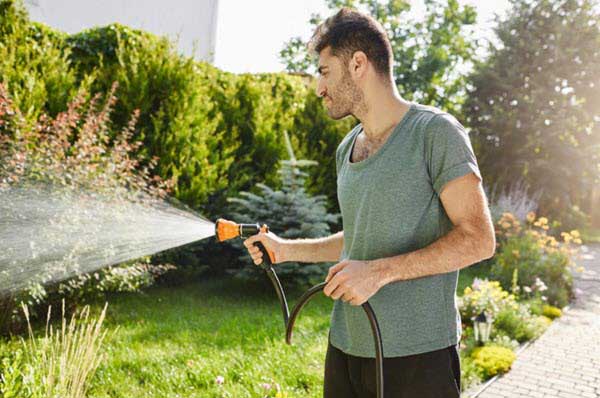
Anyone who has tried to create a butterfly habitat garden in Adelaide knows that water is the central constraint. The city’s Mediterranean climate delivers a long, hot, dry summer that stretches from November through to March, putting sustained pressure on the nectar plants and host plants that butterflies depend on. Lavender, salvia, lantana, and milkweed may be exactly what a Monarch or Common Brown needs, but without adequate moisture through the dry months, even these relatively drought-tolerant species can struggle to sustain the blooms and foliage that make them useful habitat.
Getting water use right in an Adelaide butterfly garden is both a horticultural challenge and a resource management challenge. But the water budget available for your garden is not entirely determined by your irrigation system or your chosen plants. A surprising portion of it is shaped by what happens inside the house.
Adelaide’s Climate and the Garden Water Equation
Adelaide receives an average of around 550 millimetres of rain annually, most of it concentrated in the winter months. By the time summer peaks, the soil moisture from winter rain has long been exhausted, and garden beds depend almost entirely on supplemental irrigation to sustain plant life through to autumn.
For butterfly gardeners, this timing creates a specific challenge. Many of the most effective butterfly host and nectar plants are at their most important during the warmer months, when butterfly activity is highest. Parsley, dill, fennel, milkweed, and Buddleja need to survive precisely the period when Adelaide’s rainfall is least reliable. The garden’s water budget during summer is therefore a critical planning variable.
Plants That Both Attract Butterflies and Suit Adelaide’s Conditions
The most practical approach to an Adelaide butterfly garden is to start with species that are genuinely adapted to low-water conditions while still offering strong butterfly value. Native plants are the obvious starting point. Grevillea species attract both butterflies and honeyeaters. Westringia produces small flowers that support adult butterflies, and its silvery foliage adds visual interest to dry garden compositions. Native Goodenia and Brachyscome species provide colour without demanding heavy irrigation.
For introduced plants, salvias, particularly the Mexican sage varieties, offer remarkable heat and drought tolerance alongside nectar production that carries through summer. Lavender species need almost no supplemental water once established in Adelaide’s soil conditions. Echinacea and Achillea handle the heat well and support a range of butterfly species through their long flowering periods.
The principle of layering these plants so that something is always in bloom from September through to April is what creates a sustained habitat rather than a seasonal one. Butterflies follow the nectar, and a garden that has continuous bloom can support continuous butterfly presence.
Setting Up Efficient Garden Irrigation
Even a drought-tolerant butterfly garden benefits from targeted irrigation during Adelaide’s driest months. The most water-efficient approach for established garden beds is a drip or subsurface irrigation system that delivers water directly to the root zone. Surface drippers placed below mulch reduce evaporation significantly compared to overhead sprinklers and can halve the irrigation volume needed to maintain the same plant health.
Watering in the early morning is standard Adelaide practice for good reason: evaporation rates are lowest before temperatures rise, and foliage dries before the evening, reducing fungal disease pressure. Timing irrigation to early morning also ensures the water has been fully absorbed before the peak heat of the day.
Group plants with similar water needs in the same beds. The drought-tolerant grevilleas and lavenders do not want the same soil moisture as fennel or parsley, and mixing them in the same irrigated zone wastes water on plants that would prefer to be drier.
The Hidden Water Waste You Are Not Counting
Here is the part of water-wise gardening that is almost never discussed but directly affects how much water is available for your garden. A running toilet in an Adelaide home can add thousands of litres to the monthly household water bill without being immediately obvious. The flapper valve that controls water flow into the bowl degrades over time, allowing a continuous slow leak from the cistern that is often inaudible unless the house is completely quiet. On a quarterly SA Water bill, this appears as elevated consumption that most households attribute to garden watering or other causes.
For Adelaide gardeners working within a household water budget, a running toilet is effectively stealing water from the garden without announcing itself. The same applies to older single-flush toilets that use significantly more water per cycle than modern dual-flush models. Adelaide Expert Plumbing & Gas, which offers fast toilet repairs across Adelaide with same-day service and upfront pricing, consistently finds that a repair or replacement of an inefficient toilet reduces household consumption in ways that meaningfully shift the water available for other uses. A new dual-flush toilet typically uses 60 percent less water than an older single-flush model, and at Adelaide water pricing, it pays for itself within a few years.
What Whole-Home Water Efficiency Actually Looks Like
The Australian Government’s Your Home resource at yourhome.gov.au provides practical guidance on water efficiency across the whole household, covering everything from showerhead ratings and tap aerators to rainwater tank sizing and grey water reuse for garden irrigation. For Adelaide homeowners serious about creating a sustainable garden, this resource offers a systems-level view of where household water goes and where the largest efficiency gains are available.
The consistent finding in whole-home water efficiency assessments is that toilets and bathroom fixtures are among the largest sources of recoverable efficiency, alongside irrigation. Addressing these two domains together, rather than in isolation, gives the household its best chance of reducing overall consumption without compromising either the garden or the quality of life indoors.
Bringing It Together in the Adelaide Garden
A thriving butterfly garden in Adelaide is a water management achievement as much as a horticultural one. The plants need to be right for the climate, the irrigation system needs to deliver water efficiently, and the whole-house water budget needs to be as lean as possible so that what is available can be directed where it matters most.
Getting the indoor plumbing side of this equation in order, including fixing a running toilet or replacing an old single-flush unit, is not the most obvious step in building a butterfly habitat. But it is one of the most effective ways to free up the resource that the garden needs most. Adelaide’s butterflies do not care about the plumbing inside the house. They care whether the salvia is blooming and the milkweed is lush, and that depends on whether the water got there.