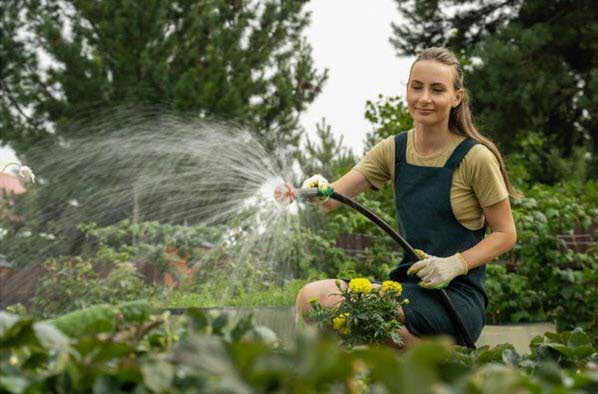
A well-designed garden has a rhythm to it. It responds to the seasons, adapts to light and shade, and evolves over time as plants mature and settle into their environment. But beneath the visible beauty, the foliage, colour, and movement, there is a less obvious system at work. Water, and how it moves through your outdoor space, plays a decisive role in whether a garden thrives or struggles.
In Adelaide, where conditions can shift from long, dry summers to cooler, wetter winters, managing water effectively is not just about keeping plants alive. It’s about building a landscape that can endure local extremes while remaining functional, efficient, and sustainable.
The Reality of Gardening in Adelaide’s Climate
Adelaide’s climate is both a challenge and an opportunity for gardeners. Extended dry periods require careful planning around irrigation, while seasonal rainfall can quickly expose weaknesses in drainage.
In many suburban properties, particularly those with established gardens, soil composition varies widely. Some areas retain water too well, leading to waterlogging, while others drain too quickly, leaving plants without sufficient moisture. This inconsistency can make it difficult to maintain healthy plant growth without a considered approach to water management.
What often goes unnoticed is how closely outdoor water behaviour is linked to the home’s plumbing infrastructure. Irrigation systems, outdoor taps, and drainage points all depend on a network that must be properly designed and maintained.
Outdoor Plumbing: More Than Just Taps and Hoses
Outdoor plumbing is often viewed in simple terms, garden taps, hoses, and perhaps an irrigation connection. But in reality, it forms part of a broader system that supports the entire outdoor environment.
Leaks in outdoor pipes can go unnoticed for long periods, especially when concealed beneath soil or garden beds. Over time, these leaks can alter soil moisture levels, affecting plant health and potentially leading to uneven growth or unexpected waterlogging.
Similarly, blocked or poorly designed drainage systems can disrupt the natural flow of water across the property. Instead of moving away from key areas, water may collect in places where it causes damage.
Working with a professional plumber in Adelaide allows homeowners to address these issues at their source. By assessing both visible and hidden components of the system, it becomes possible to create a more stable and reliable foundation for outdoor spaces.
Irrigation Systems: Efficiency vs Overuse
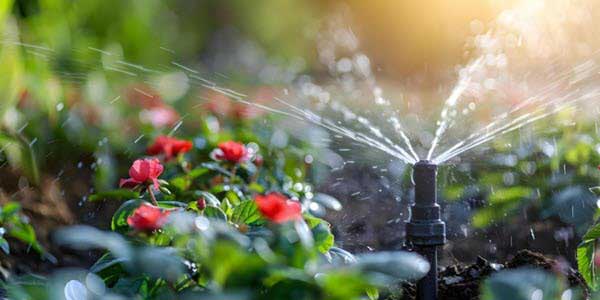
Modern irrigation systems have made it easier than ever to maintain gardens, but they can also create problems if not managed correctly. Overwatering is one of the most common issues in Adelaide gardens, particularly during cooler months when evaporation rates are lower.
Excess water does more than waste resources, it can damage plant roots, encourage fungal growth, and alter soil structure. In poorly draining areas, it may even lead to standing water, which can affect nearby hardscaping or seep toward the home’s foundation.
Efficient irrigation is about balance. Drip systems, timed watering schedules, and moisture-sensitive controls all help ensure that water is delivered where it’s needed, without creating unnecessary strain on the system.
Drainage: The Hidden Foundation of a Healthy Garden
While irrigation tends to receive the most attention, drainage is equally important. Without proper drainage, even the most carefully designed garden can struggle.
After heavy rainfall, water needs a clear path to move away from planting areas and structures. In Adelaide, where sudden downpours can occur during seasonal transitions, inadequate drainage can lead to pooling, soil erosion, and damage to plant roots.
Poor drainage can also impact the home itself. Water that accumulates near foundations or outdoor structures may eventually find its way into areas where it shouldn’t be, creating long-term maintenance issues.
This is where the connection between landscaping and plumbing becomes particularly clear. Surface water management, underground drainage, and overall site grading all rely on systems that must function together.
Water Conservation and Sustainable Gardening
In a climate like Adelaide’s, water conservation is not just a preference, it’s a necessity. Sustainable gardening practices are increasingly important, both for environmental reasons and for managing household costs.
The Government of South Australia Department for Environment and Water emphasises the need for efficient water use, particularly in regions where supply must be carefully managed. Gardens that rely heavily on inefficient watering systems or that lose water through leaks contribute to unnecessary waste.
Designing with sustainability in mind means choosing plants suited to local conditions, improving soil health to retain moisture, and ensuring that irrigation systems operate efficiently. It also means addressing any plumbing issues that may undermine these efforts.
Integrating Design and Function
A successful garden is one where design and function work together. Visual appeal is important, but it should not come at the expense of practicality.
For example, incorporating permeable surfaces can improve drainage while adding texture to the landscape. Raised garden beds can help manage soil conditions and prevent waterlogging. Strategic planting can reduce the need for excessive watering by grouping plants with similar needs.
These design choices are most effective when supported by a reliable underlying system. Without proper water management, even the most thoughtful design can encounter ongoing challenges.
Seasonal Maintenance: Staying Ahead of Problems
Gardens are dynamic spaces, and their needs change with the seasons. Regular maintenance is essential to ensure that both plants and systems continue to perform as expected.
In summer, the focus is often on maintaining adequate moisture levels without overwatering. In winter, attention shifts to drainage and ensuring that excess water can move away from key areas.
Checking irrigation systems for leaks, clearing drainage paths, and monitoring soil conditions are all part of a proactive approach. These tasks may seem minor, but they play a significant role in preventing larger issues from developing.
The Connection Between Indoors and Outdoors
It’s easy to think of the garden as separate from the home, but in reality, the two are closely connected. Water that is not properly managed outdoors can eventually affect indoor spaces.
Poor drainage, for instance, can lead to moisture buildup near foundations, increasing the risk of dampness or structural concerns. Similarly, leaks in outdoor plumbing can influence water pressure and overall system performance inside the home.
Recognising this connection encourages a more integrated approach to maintenance, one that considers the property as a whole rather than as separate components.
Creating a Garden That Lasts
A thriving garden is not just the result of good design or careful planting. It’s the outcome of a system that supports growth, adapts to changing conditions, and remains reliable over time.
In Adelaide, where climate and environmental factors create both challenges and opportunities, this requires a thoughtful approach to water management. By balancing irrigation, improving drainage, and maintaining the underlying plumbing infrastructure, homeowners can create outdoor spaces that are both beautiful and resilient.
Ultimately, the goal is not just to maintain a garden, but to build one that continues to flourish year after year, supported by systems that work quietly, efficiently, and in harmony with the environment.