Relocating a butterfly garden across state lines is a project most people underestimate until they’re three weeks out from moving day and realize half their milkweed can’t legally cross the border, the native perennials they’ve nurtured for years won’t fit in the moving truck, and the chrysalises attached to their plants have no idea a 900-mile trip is coming. It’s one of the quieter grief-points of a long-distance move, the garden that took three years to establish feels like it has to start over, because it sort of does.
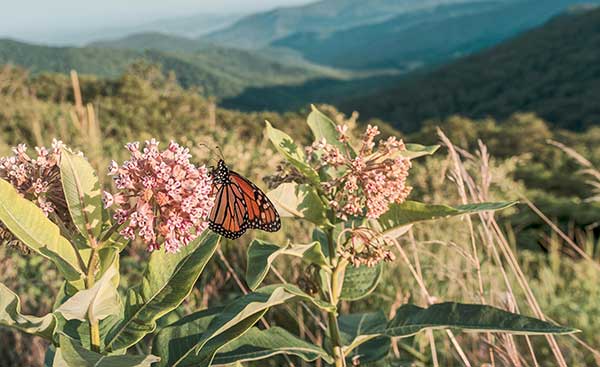
But not entirely. With the right planning, a move becomes an opportunity to rebuild a butterfly garden more thoughtfully than the first time, using hard-won lessons about what actually worked, what didn’t, and which species thrived in your specific light and soil conditions. The logistics side of the move matters too, a coordinated move with professional long distance movers who understand plant transport rules keeps the relocatable portion of the garden healthy and compliant with state agricultural regulations. Here’s how to approach the whole project from both sides.
Why Can’t You Just Move a Butterfly Garden Whole?
Three practical reasons the full-garden transport approach rarely works.
The first is regulatory. Most US states have agricultural inspection requirements on incoming plants, especially perennials with established soil that might carry invasive insects, nematodes, or plant diseases. California, Florida, Hawaii, and Oregon have the strictest rules. Moving any significant number of live plants across state lines often requires a phytosanitary certificate or declaration at the border, and some species are prohibited entirely.
The second is transport stress. Plants in moving trucks experience temperature swings, reduced light, and root disturbance that many don’t survive. Even plants that technically tolerate the move often arrive weakened and take a full season to recover, if they recover at all.
The third is environmental fit. A butterfly garden that thrived in your old zone may not work in the new one. Milkweed varieties that support monarch populations in the Midwest aren’t the right species for the Pacific Northwest. Transplanting species that don’t match the new zone’s conditions wastes effort and creates ecological issues.
What Should You Actually Move (and What Should You Leave)?
A practical triage framework:
- Move: seeds you’ve collected from your plants, cuttings from especially productive perennials, potted annuals if the move is under 500 miles and you have climate-controlled transport
- Collect before the move: seeds from every significant species in your garden, stored in labeled envelopes or glass jars
- Photograph thoroughly: every planting area, species location, and seasonal bloom sequence. You’ll want this reference material when you rebuild
- Leave with the buyer: established perennials that can’t travel cleanly. Add a simple garden map for the new owner, which is often appreciated
- Donate: plants you can dig up but can’t practically transport. Local butterfly garden clubs, extension offices, or community gardens take them
Chrysalises attached to plants require special handling. If you notice them, carefully move the plant (or branch) to a protected outdoor enclosure a few weeks before the move; the butterflies will emerge and can be released in the old location rather than stressed by the move.
How Should the Move Itself Be Scheduled?
Timing affects everything about plant survival. Three scheduling decisions that matter:
Season matters more than month. A fall move is kinder to most perennials than a summer move. Spring works if you can transport and replant within the same week. Summer moves should be avoided if possible; heat stress during transport kills more plants than any other cause.
Coordinate with the moving company on plant positioning in the truck. Plants need to be near the door for airflow, away from the coldest or hottest wall of the trailer, and accessible for watering at rest stops on multi-day moves. Not every moving company is set up for this.
Plan a rest-replant window at the destination. Potted plants that traveled should recover for 48-72 hours in a protected, lightly shaded location before going into the ground. Planting straight from the truck kills more plants than giving them a few days to stabilize.
The USDA’s plant import and movement regulations cover the state-by-state agricultural rules that affect what can legally travel with you.
How Do You Rebuild the Garden in the New Location?
The rebuild is where the opportunity lies. A practical approach:
- Learn the new zone first. USDA hardiness zone, native plant list for your new region, local butterfly populations. Don’t plant anything the first season.
- Observe the light and soil for a full season. Knowing what your new yard actually does across a year prevents misplaced plantings.
- Start with native host plants for local butterfly species. Monarchs in the Midwest need milkweed; West Coast monarchs have different needs. Choose accordingly.
- Add nectar sources in staggered bloom windows. Early, mid, and late-season bloomers keep butterflies visiting across the whole warm-weather period.
- Sow seeds you brought from your old garden sparingly. Test a small area rather than committing everything to species that may not fit the new zone.
- Give it two full seasons before evaluating. Butterfly gardens establish over 2-3 years; judging year one is premature. The symbolism of butterflies in your home is worth revisiting during this waiting period because the meaning travels with you even when the physical garden doesn’t.
Resources like the Xerces Society’s pollinator conservation plant lists make the region-specific planting decisions easier than guessing.
What Predators and Threats Should You Plan For?
Moving gardens also means learning new local threats. The predator landscape changes by region, Eastern birds, Western spiders, regional wasp populations all differ. Planning your new garden with appropriate plant density, ground cover, and sheltered zones protects against local predator pressure.
Regional pesticide exposure also matters. Lawn care practices on neighboring properties affect butterfly populations meaningfully. A new-neighborhood conversation about pesticide-free zones often yields surprisingly good results, many neighbors are willing to adjust if asked directly.
What to Remember
- Long-distance moves rarely allow whole-garden transport; expect to rebuild from seeds and memory
- Phytosanitary rules vary by state and affect what can legally cross borders
- Fall moves are kinder to perennials than summer or late-winter moves
- Observing the new location for a full year before heavy planting prevents costly misplacements
- A rebuilt garden using lessons from the old one often outperforms the original
The Bottom Line for Relocating Gardeners
Moving a butterfly garden feels like loss, because partially it is. The specific plants you nurtured for years usually stay behind or don’t survive the trip. But the knowledge, the seeds, and the attention that built the original garden travel with you intact, and those are what actually produce the next one. Give yourself a season of observation before planting, start with what you know worked in species that fit the new zone, and the new garden often becomes the better one after two or three years. The butterflies find it either way.
Frequently Asked Questions
Can I take my milkweed plants with me across state lines?
It depends on the states involved and the specific species. Common milkweed can travel within most states but may need phytosanitary inspection at some state borders. Check the receiving state’s Department of Agriculture before packing.
How far in advance should I start collecting seeds from my old garden?
At least 6-12 months before the move, so you capture seeds across the full bloom and seed-set seasons. Collection at the peak of seed viability (when capsules start opening for most species) gives you the best stock for the new garden.
Do chrysalises survive being moved?
Usually not safely. The safer approach is to let butterflies emerge from their chrysalises naturally before you move, then release them in the original location where they were intended to live.
What’s the best native plant database for planning a new butterfly garden?
The Xerces Society’s regional plant lists and the USDA Plants Database both let you filter by state or region. Local native plant societies are also excellent practical resources once you’re in the new location.