A garden that keeps pests away without harming pollinators isn’t a matter of luck, it’s the result of deliberate design choices. Many homeowners reach for broad-spectrum pesticides at the first sign of trouble, only to discover that these treatments also wipe out the bees, ladybugs, and predatory insects that would have handled the problem naturally. Building a landscape that resists harmful pests while protecting beneficial wildlife requires understanding how these two goals actually work together, not against each other. With thoughtful planning, most homes can significantly reduce pest pressure while still supporting a healthy, biodiverse yard.
Designing With Native and Pest-Resistant Plants
Plant selection is the foundation of any pest-resistant landscape. Native species have evolved alongside local insect populations for thousands of years, which means they typically require fewer interventions to stay healthy. They’re also better adapted to regional soil and rainfall patterns, making them naturally more resilient to the stress that often invites pest infestations in the first place.
Certain plants also carry natural pest-deterrent properties. Marigolds, lavender, and rosemary release scents that many insects avoid, while alliums like garlic and chives can discourage aphids and beetles. Mixing these species throughout a garden bed, rather than planting in large single-species blocks, makes it harder for pests to locate and overwhelm their preferred host plants. This diversification strategy, sometimes called companion planting, is well documented in agricultural extension research as a way to reduce reliance on chemical controls.
Encouraging the Insects That Do the Work for You
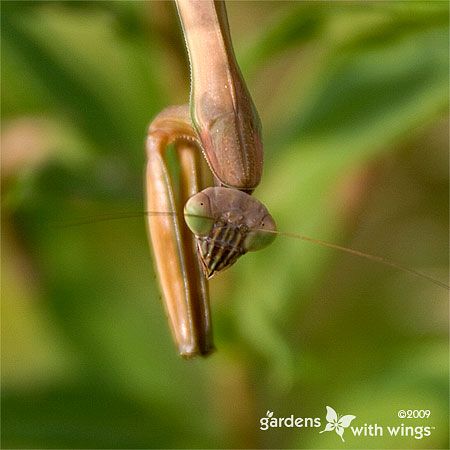
Beneficial insects are often the most overlooked pest management tool available to homeowners. Ladybugs and their larvae can consume hundreds of aphids in a single life cycle, while lacewings prey on mites, whiteflies, and small caterpillars. Bees and butterflies, meanwhile, don’t control pests directly but are essential for pollination and overall garden health, and their presence is a strong indicator of a balanced ecosystem.
To attract and retain these allies, gardeners should plant a variety of flowering species that bloom at different times throughout the season, ensuring a consistent food source. Shallow water dishes with stones for landing spots, along with undisturbed patches of leaf litter or bare soil, give beneficial insects places to rest and reproduce. This is also where restraint matters most, homeowners searching for pest control solutions should know that many general-purpose insecticides don’t discriminate between harmful and helpful species, undoing months of careful cultivation in a single application.
Soil Health and Moisture Management
Healthy soil produces stronger, more pest-resistant plants. Compacted or nutrient-poor soil creates stressed vegetation that’s more susceptible to insect damage and disease, so regular aeration, composting, and organic matter incorporation go a long way toward prevention. That said, compost piles must be managed properly, turning them regularly and avoiding excess food waste prevents them from becoming breeding grounds for flies, rodents, and cockroaches.
Moisture control is equally critical, and it’s an area where many well-intentioned gardens go wrong. Overwatering, poor drainage, and mulch piled directly against structures create the damp, dark conditions that termites, ants, earwigs, and cockroaches actively seek out. Mulch should be kept several inches away from foundations and tree trunks, and irrigation systems should be checked periodically for leaks or overspray that saturates soil unnecessarily. Anyone researching Modesto pest control options will find that moisture-related pest calls are among the most common in the region, particularly during the dry summer months when gardens rely heavily on supplemental watering.
A few additional habits make a measurable difference:
- Eliminate standing water in saucers, gutters, birdbaths, or low-lying areas to prevent mosquito breeding
- Prune overgrown vegetation regularly to improve airflow and reduce humidity around plant bases
- Remove fallen fruit, leaf piles, and yard debris promptly, since decomposing organic matter attracts pests
- Space plants appropriately to avoid dense, moisture-trapping foliage
Keeping the Garden From Becoming a Bridge Into the Home
Even a well-maintained garden can inadvertently create pathways for pests to enter the house. Shrubs and tree branches touching exterior walls act as literal bridges for ants, rodents, and other insects looking for shelter. Trimming vegetation back several inches from siding, windows, and rooflines removes this access point and also improves the structural health of the plants themselves.
Firewood is another frequently overlooked culprit. Stacking it directly against the house—or even within a few feet—creates an ideal habitat for termites and rodents, who can then migrate indoors with minimal effort. Storing firewood on a raised rack at least 20 feet from the home significantly reduces this risk. Similarly, keeping gutters clear and sealing small gaps around foundations prevents opportunistic pests from using the yard as a staging ground for indoor invasion.
Final Analysis
Sustainable landscaping practices can dramatically reduce pest activity while preserving the pollinators and predatory insects that keep gardens balanced. Native plant selection, proper moisture management, regular maintenance, and thoughtful landscape design all work together to create an environment where harmful pests struggle to establish themselves. These strategies are backed by decades of horticultural and entomological research showing that biodiversity, not chemical elimination, is the more durable path to a healthy yard.
That said, eco-friendly gardening has its limits. Once an infestation has taken hold—whether it’s a termite colony in a woodpile or a rodent population nesting near a foundation—professional intervention often becomes necessary. Experienced local professionals understand the specific pest pressures tied to the region’s climate and soil conditions, and they can offer targeted treatments that address the problem without undermining the ecological work already in place. Combining smart landscaping with informed professional support gives homeowners the best of both worlds: a garden that thrives and a home that stays protected.