A healthy garden depends on balance rather than the complete elimination of insects. While some pests damage plants, many insects play valuable roles by pollinating flowers, controlling harmful species, and supporting local ecosystems. Successful pest management means identifying problems early and responding carefully, so beneficial insects such as butterflies, bees, and ladybugs continue to thrive while destructive pests remain under control.
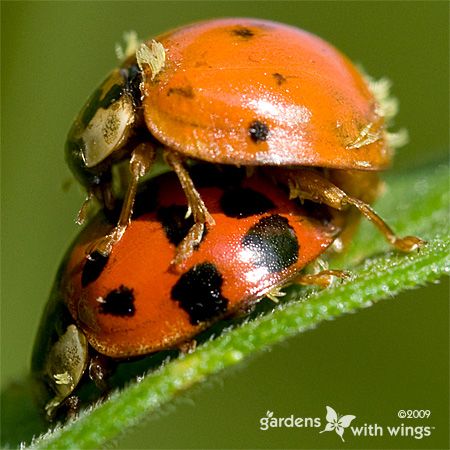
Identify Harmful Pests Before Taking Action
The first step in responsible pest management is knowing which insects actually pose a problem. Not every bug feeding on leaves or crawling across flowers deserves removal. Many insects that appear unusual or unfamiliar contribute to pollination or naturally reduce pest populations.
Ladybugs and their larvae, lacewings, hoverflies, praying mantises, and many parasitic wasps feed on aphids, mites, caterpillars, and other destructive insects. Bees and butterflies pollinate fruit, vegetables, and flowering plants, making them essential for productive gardens.
Gardeners should inspect plants closely before deciding on treatment. Chewed leaves, sticky residue, curling foliage, or distorted new growth often indicate genuine pest activity, but identifying the insect responsible helps prevent unnecessary harm to beneficial species. Field guides, local extension services, and gardening organizations can assist with accurate identification.
Monitor Plants Regularly to Prevent Large Infestations
Frequent inspection allows gardeners to catch problems before they spread throughout the garden. Checking plants every few days during the growing season often reveals early signs of pest activity that can be managed with simple methods instead of widespread treatments.
Pay particular attention to the undersides of leaves, young shoots, flower buds, and stems where insects commonly gather. Regular monitoring also helps distinguish temporary insect activity from a growing infestation requiring intervention.
Early detection reduces the need for stronger control measures and helps maintain a healthier environment for pollinators and other beneficial insects.
Remove Pests by Hand Whenever Practical
Many common garden pests can be managed without chemical treatments. Hand removal remains one of the most effective methods for controlling larger insects, particularly when infestations are still small.
Gardeners can gently remove caterpillars damaging ornamental plants, pick beetles from leaves, or knock insects into a container of soapy water. Egg clusters attached to stems or leaves should also be removed before they hatch.
This approach takes patience, yet it avoids unnecessary exposure for butterflies, bees, and beneficial predators that may be active nearby. It also limits disruption to the natural food web already helping manage pests.
Prune Infested Growth to Limit Pest Spread
Pruning affected branches or leaves removes concentrated pest populations while improving overall plant health. Diseased or heavily infested growth should be cut back promptly and disposed of away from compost piles if pests or diseases could survive.
Removing damaged growth also improves air circulation, helping reduce fungal diseases that often weaken plants and attract additional insect problems.
Clean pruning tools between plants to avoid transferring diseases from one area of the garden to another. Small maintenance tasks completed throughout the season often prevent much larger problems later.
Manage Aphids and Ants Together
Aphids are among the most common garden pests. They feed by extracting sap from plants, weakening growth and producing honeydew, a sticky substance that encourages mold growth.
Ants frequently protect aphids because they feed on this honeydew. They may drive away natural predators such as ladybugs, allowing aphid populations to increase rapidly. Managing ants can therefore improve natural biological control.
Several practical methods can reduce both problems:
- Wash aphids from plants with a firm stream of water.
- Encourage natural predators such as ladybugs and lacewings.
- Remove heavily infested shoots when practical.
- Limit ant access by trimming branches touching structures and using appropriate barriers around affected plants where suitable.
- Continue monitoring to ensure populations remain under control.
When aphid infestations become widespread despite preventative efforts, professional assessment may be appropriate. Companies such as Smart Solutions Pest Control can address serious infestations using targeted approaches designed to reduce unnecessary effects on pollinator-friendly gardens rather than relying on broad, indiscriminate treatments.
Reduce Standing Water to Discourage Unwanted Pests
Standing water attracts mosquitoes and creates breeding opportunities for several nuisance insects. Empty containers, clogged gutters, birdbath water left unchanged, and unused plant saucers can all become breeding sites.
Refreshing birdbath water regularly, improving drainage in low areas, and removing unnecessary water collection points help reduce pest numbers without affecting pollinating insects that depend on flowers instead of stagnant water.
Good garden sanitation also discourages slugs, fungus gnats, and other moisture-loving pests while creating healthier growing conditions for plants.
Use Targeted Treatments Only Where Necessary
Chemical pesticides should never be the first response to every insect sighting. Broad-spectrum products may kill beneficial insects alongside harmful pests, disrupting the natural balance that keeps gardens healthy over time.
When treatment becomes necessary, apply products only to affected plants or specific areas instead of treating the entire garden. Timing also matters. Applying treatments during early morning or late evening—when many pollinators are less active—can reduce unintended exposure.
Carefully reading product labels and following application instructions helps minimize environmental impact while improving treatment effectiveness.
In situations involving persistent or difficult infestations, pest control may be able to identify the underlying cause and recommend targeted management strategies that fit gardens where pollinator conservation remains an important priority. Professional identification can sometimes prevent unnecessary treatments by confirming whether the insects present actually require intervention.
Key Takeaways
A thriving garden depends on thoughtful observation rather than automatic pest removal. Many insects provide valuable ecological services, and distinguishing beneficial species from destructive pests protects both plants and local biodiversity. Regular monitoring, hand removal, selective pruning, aphid and ant management, good sanitation, and carefully targeted treatments work together to reduce pest damage while preserving butterflies, bees, ladybugs, and other helpful insects. By responding only where genuine problems exist, gardeners create healthier landscapes that remain productive and welcoming to wildlife throughout the growing season.