Imagine stepping into your backyard on a warm New Jersey morning, holding a cup of coffee while colorful butterflies move gently between blooming flowers. The sunlight filters through the trees, a soft breeze carries the scent of fresh greenery, and the quiet movement of butterflies makes your outdoor space feel like a peaceful escape from everyday routines. It’s the kind of setting that makes you want to spend a little more time outside, even when you have a busy day ahead.
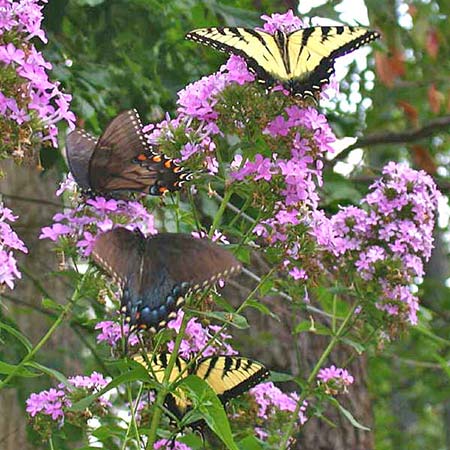
Creating a backyard like this might sound complicated, especially if you’re new to gardening or working with limited outdoor space, but it doesn’t have to be. You don’t need acres of land, expensive landscaping, or an elaborate garden design to attract butterflies. What matters most is choosing plants that support local butterfly species, understanding the conditions they prefer, and creating an environment where they can feed, rest, and reproduce safely.
New Jersey offers plenty of opportunities to create beautiful butterfly habitats, thanks to its seasonal climate and variety of native flowering plants. With a little planning and patience, you can transform an ordinary backyard into a welcoming outdoor retreat that benefits both your family and the wildlife around you.
Understand What Makes a Backyard Butterfly-Friendly
Before you start buying flowers or redesigning your garden, it helps to understand what butterflies actually need to survive. While colorful blooms are often the first thing people associate with butterfly gardens, these insects depend on much more than nectar to complete their life cycle.
Adult butterflies need flowers that provide nectar, but their caterpillars require specific host plants for food. Some butterfly species are particularly selective about where they lay their eggs because their caterpillars can survive only on certain plants. Monarch butterflies, for example, depend on milkweed, making it an essential addition to any garden intended to support monarch populations.
Butterflies also need warm, sunny areas where they can regulate their body temperature, along with sheltered spaces that protect them from strong winds and heavy rain. A garden that provides these basic conditions becomes much more valuable than one that simply contains attractive flowers.
Instead of thinking about your backyard as a decorative landscape, try viewing it as a small ecosystem where plants, insects, and other wildlife interact naturally. When you design your garden with those relationships in mind, you’ll create something that looks beautiful while serving a meaningful purpose.
Choose Native New Jersey Plants That Attract Butterflies
One of the most effective ways to encourage butterflies to visit your backyard is to grow native plants that naturally occur in New Jersey and support the region’s wildlife. These plants have developed alongside local insects over time, which makes many of them especially useful as nectar sources or food for caterpillars.
Native plants can also be easier to maintain once established because they’re adapted to regional growing conditions, although their success still depends on choosing suitable locations. Some grow best in dry, sunny soil, while others prefer moisture or partial shade, so understanding your backyard’s conditions will help you make better planting decisions.
Plant Nectar-Rich Flowers Throughout the Growing Season
Butterflies need access to nectar during the months when they’re active, which makes flowering plants an important part of your garden. However, rather than choosing flowers based only on their appearance, look for native varieties that provide nectar at different times of the year.
Purple coneflowers are popular additions to sunny New Jersey gardens because their distinctive flowers add color during summer and attract a variety of pollinators. Wild bergamot is another excellent option, producing clusters of lavender-colored flowers that can bring additional movement and activity to your landscape.
For later in the season, New England asters provide valuable nectar when many summer flowers have finished blooming. Butterfly weed, with its bright orange blossoms, is particularly appealing because it adds striking color while also serving as a host plant for monarch caterpillars.
When arranging these flowers, consider planting several of the same species together instead of scattering individual plants throughout the backyard. Larger groups of blooms are easier for butterflies to locate and can create a more attractive, intentional garden design.
By combining plants that flower in spring, summer, and fall, you can create a landscape that remains useful to butterflies throughout much of New Jersey’s growing season.
Include Host Plants That Support Caterpillars
A butterfly garden becomes especially valuable when it supports more than adult butterflies looking for nectar. Caterpillars need appropriate host plants to feed on, and without these plants, many butterflies cannot successfully reproduce in your backyard.
Monarch caterpillars depend on milkweed, so planting suitable native milkweed species is one of the most meaningful steps you can take if you want to support monarch butterflies. Swamp milkweed works well in sunny areas with consistently moist soil, while butterfly weed is better suited to drier locations with good drainage.
Other native plants can support additional butterfly species. Spicebush, for example, provides food for spicebush swallowtail caterpillars, making it a useful choice for gardens with suitable growing conditions.
You may eventually notice small holes or chewed edges on the leaves of these plants, but that isn’t necessarily a reason for concern. In fact, it can indicate that caterpillars are feeding and your garden is helping support the next generation of butterflies.
Make the Most of Your Backyard’s Natural Features
Every backyard has its own combination of sunlight, shade, soil conditions, and existing vegetation, and understanding these features can help you create a butterfly garden that thrives without unnecessary work. Before making major changes, spend a few days observing how sunlight moves across your property and which areas remain protected from wind.
Many nectar-producing flowers grow best in locations that receive at least six hours of direct sunlight daily, making sunny garden beds a practical starting point. Butterflies also benefit from warm places where they can bask, since their activity depends partly on the surrounding temperature.
At the same time, shaded areas shouldn’t be overlooked because trees, shrubs, and taller plants can provide valuable shelter during unfavorable weather. Creating a balance between open, sunny planting spaces and protected corners can make your backyard more comfortable for different butterfly species.
The size and layout of your property can influence how you arrange these features, but even modest outdoor spaces offer opportunities for wildlife-friendly gardening. Whether you’re improving a backyard you’ve enjoyed for years or exploring South Brunswick real estate with future gardening plans in mind, paying attention to sunlight, existing trees, soil drainage, and available planting space can help you imagine how a butterfly-friendly landscape might develop.
If you have a narrow yard, consider creating a flowering border along a sunny fence, while larger properties may offer enough room for curved garden beds, native shrubs, and small meadow-style planting areas. The important thing is to work with your outdoor space rather than trying to force a garden design that doesn’t suit its natural conditions.