Quick answer
The most reliable way to cut patio mosquitoes without spraying a butterfly garden is to start with standing water management, then add a targeted layer. Empty or refresh any still water weekly, since that is where mosquitoes breed, while keeping intentional features like ponds and puddling dishes moving or rinsed so they stay habitat rather than nursery.
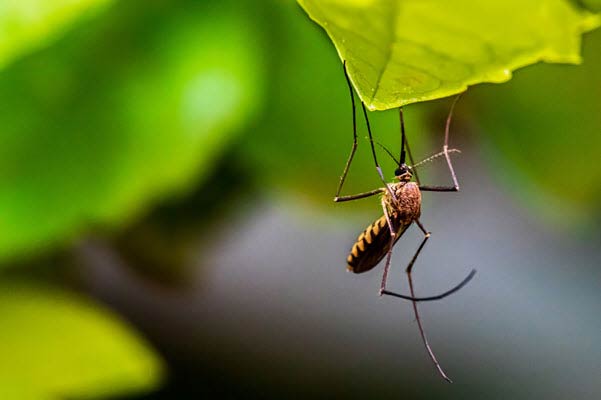
If pressure is still high, a passive trap set at the perimeter draws host-seeking mosquitoes with a carbon dioxide signal, the cue they hunt by, rather than the color and scent that guide butterflies and bees to flowers. Because nothing is sprayed onto the blooms, the approach protects your evenings without touching the daytime traffic your pollinators depend on.
Introduction
Most butterfly gardens are planted to be lived in. You put in the nectar borders and the host plants, you learn which corner the swallowtails favor in the late afternoon, and then, just as the evening light gets good, the mosquitoes arrive and chase you back inside. The reflex at that point is to reach for a spray or a fogger. In a pollinator garden, that is the one thing you cannot do.
A broad-spectrum spray does not know the difference between a mosquito and a monarch. Foggers and yard treatments drift across the same blooms your butterflies and bees are working, and they do not tell a pest from a pollinator on contact. It is the same tension that comes up with other pests that threaten a pollinator garden, where the fix cannot be worse than the problem. So the real question for anyone tending a garden built for wings is not only how to cut mosquito pressure, but how to do it without undoing the habitat you spent years building.
The good news is that the two goals do not actually conflict. It just means starting where mosquitoes really come from, understanding when they overlap with your butterflies, and choosing tools that speak to mosquitoes specifically.
Start with water, but not all water is the same
Mosquitoes do not breed in your flowers. They breed in nearby still water, and it takes surprisingly little of it. A tray left full under a pot, a clogged gutter, a bucket that has held rainwater for a week, each can become a breeding site, and only a small, still amount is enough for eggs to develop. From egg to biting adult can take as little as a week in warm weather, which is exactly why a weekly walk through the garden to tip those spots out is the single highest-return habit before you reach for anything else.
The nuance in a butterfly garden is that not all standing water is a problem, because some of it is habitat. Puddling dishes and ponds are part of what makes the space work. The trick is to keep that water moving or refreshed rather than letting it go stale. A pond fountain keeps the surface active enough to discourage larvae, and a puddling dish, which you rinse and refill every few days, feeds butterflies without feeding the next generation of mosquitoes. The goal is not a bone-dry garden. It is water that circulates instead of sits.
Common stagnant spots worth checking weekly:
- Saucers and trays under potted plants
- Birdbaths that have not been refreshed in a few days
- Gutters that pool instead of draining fully
- Folds in furniture covers or tarps after rain
- Low spots in mulch or beds where water lingers
When mosquitoes and butterflies are actually active
Timing is quietly on your side here. Butterflies are creatures of daylight. They warm their wings in the morning sun and work the blooms through the bright, warm hours, then settle as the light fades. The mosquitoes that drive you off the patio tend to do the opposite, stepping up their activity at dawn and again around dusk, when the air cools and the humidity rises.

That gap matters for how you plan. The pressure you actually want to manage is the evening pressure, the stretch right after your butterflies have wound down for the day. Anything you set up to handle that window is working while the pollinators are already at rest, not while they are out feeding. It is one more reason the two goals sit side by side rather than in competition.
How a passive mosquito trap fits a pollinator garden
Once the water is under control, some gardeners add a passive trap along the perimeter as a second layer, and this is where the mechanism matters. Only female mosquitoes bite, because they need a blood meal to develop their eggs, and they track down a host largely by following the carbon dioxide a warm body gives off. Researchers at UC San Diego recently mapped the specialized neurons mosquitoes use to sense that CO2, the long-range cue that first points a hunting female your way. A passive trap works by mimicking that same carbon dioxide signal, so it speaks to the biting mosquito’s hunting system specifically. Butterflies and bees do not navigate that way. They locate flowers by color, pattern, and scent, including the nectar guides a carbon dioxide lure has nothing to say to. And because the trap sits at the edge of the space and is not sprayed onto anything, it keeps treatment off the blooms your pollinators are working on.
The Mosquito TNT 2.0, made by Tougher Than Tom, is one passive trap built on this principle. It uses fermentation and an acid-base reaction, drawing on five ingredients (yeast, D-glucose, sodium bicarbonate, citric acid, and sodium lauryl sulfate) to release a steady carbon dioxide signal for roughly a month before the bait packet is replaced.
It is worth knowing up front that a passive trap takes a week or so to reach its full effect as the carbon dioxide output builds, and that it manages pressure rather than eliminating it outright, especially if there is a breeding source nearby that cannot be removed. If you want a sense of how a passive mosquito trap performs over a season, real-world accounts describe that same gradual build. The design is a sealed jar, with a lid on top and small openings on the sides, so ordinary rain runs off instead of filling it, though a heavy downpour is worth a quick level check. The maker also notes it is safe around kids and pets when used as directed.
Frequently asked questions
Do I have to remove my pond or birdbath to keep mosquitoes down?
No. The issue is stagnant water, not water itself. Keep ponds moving with a fountain and rinse and refill birdbaths and puddling dishes every few days, and they stay habitat for your butterflies rather than a breeding site for mosquitoes.
How long does a passive mosquito trap take to work?
Expect a week or so as the carbon dioxide output builds, rather than an overnight change. A trap manages pressure over time rather than eliminating it outright, especially if there is a breeding source nearby that cannot be removed.
Where should a mosquito trap go in a butterfly garden?
Along the perimeter, toward shaded edges and away from where people sit, so activity is drawn to the boundary of the space rather than into your seating area. Keeping it clear of the busiest nectar beds also keeps the focus on mosquitoes rather than the corners your butterflies favor.
Keeping the garden working for everything with wings
A garden you cannot sit in after dusk slowly stops getting tended, and one built for butterflies deserves better than being surrendered to mosquitoes. The approach that holds up is layered and pollinator-first. Deal with the stagnant water, keep the intentional water moving, and add a passive trap at the perimeter only if you still need it. Handle it that way, and the evening garden stays yours, and theirs.