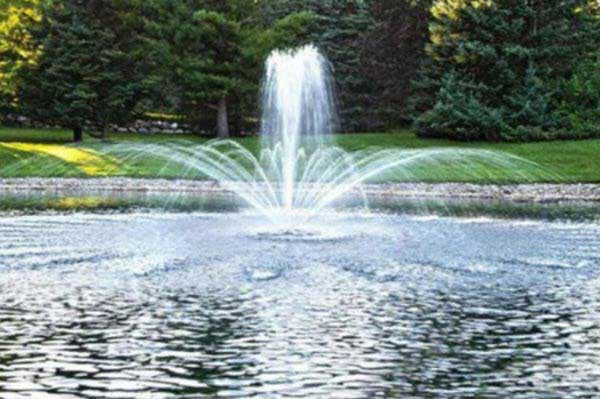
A backyard pond can do a lot for a space. It softens the yard, adds movement and sound, and gives the landscape a focal point that feels calm without feeling boring. But a pond starts to feel off when the water sits still for too long. Even if the surroundings look tidy, the pond itself loses the fresh, lively quality that made it appealing in the first place. That’s one reason pond fountains are worth considering. They add visual character and help keep water moving, improving how the pond looks and supporting healthier water conditions.
Still Water Changes the Character of a Pond
Most pond problems do not announce themselves all at once. They build gradually. The surface starts to look flat. Debris settles along the edges. The water loses some of its brightness. What once felt like a feature can start to feel like something that is just sitting there.
That slow shift matters because still water invites bigger issues over time. Excess nutrients fuel algal growth, and when algae die and decompose, oxygen levels in the water drop. The same general pattern can affect ponds, not just larger lakes or waterways.
A fountain won’t fix every pond issue on its own, but it addresses one of the most obvious ones: a lack of movement. In many backyard ponds, that’s where the improvement begins.
Movement Makes a Pond Feel Alive Again
One of the best things about a fountain is that the difference is immediate. The pond stops looking flat. Light plays across the surface differently. The water feels active instead of sleepy. Even a simple spray pattern can make the whole feature seem more intentional.
That visual change is part of the appeal, but it’s not the only benefit. Surface movement supports gas exchange, which is why circulation matters in pond care. Oxygen is critical in any pond, and warm weather reduces dissolved oxygen levels, which is something to keep in mind as temperatures rise. Good circulation is about more than looks.
Still, for most homeowners, the first thing they notice is simpler than that. A moving pond looks fresher. It feels cleaner. It looks like something being cared for.
A Fountain Does More Than Decorate
There’s a reason pond fountains have stayed popular for so long. They’re practical, but they don’t feel utilitarian. They improve movement and circulation while making the space more enjoyable to spend time in.
That balance matters in a backyard. Most people do not want their pond to feel like a maintenance project first and a landscape feature second. They want it to look good and work well at the same time. A fountain fits that role naturally. It adds sound, motion, and visual structure without making the pond feel overly technical.
In smaller backyard ponds, especially, that matters a lot. One feature often has to pull more than its share of weight. A fountain does that well: it lifts the pond’s experience and improves day-to-day water conditions at the same time.

Pond Health Is Usually About the Whole Picture
It’s also important to be realistic. A fountain helps, but it’s not a cure-all. Pond depth, sunlight, runoff, fish load, and seasonal heat all affect water quality. If a pond has persistent nutrient issues or deeper oxygen stress, surface movement won’t solve everything on its own.
Harmful algal blooms thrive in warm water with high nutrient levels, especially where nitrogen and phosphorus are present. Pond health is shaped by several conditions working together, not any single factor.
That’s why pond fountains make the most sense as part of a broader approach to pond care. In many backyard settings, they’re an excellent first step because they improve circulation and appearance in one move. But they work best paired with basic maintenance and, when needed, other tools that support water quality over time.
Choosing the Right Fountain Takes Restraint
It’s easy to shop for a pond fountain by chasing the tallest spray or the most dramatic display. But the best fountain is the one that suits the pond, not the one that shouts the loudest.
A small pond can look awkward with a fountain that is too large or aggressive. A larger pond may need something stronger to generate sufficient movement and visual impact. The right choice depends on scale, placement, and what the homeowner actually wants from the pond.
That’s why restraint leads to better results. A fountain should fit the yard, fit the water feature, and support the overall feel of the space. When it does, it looks less like an add-on and more like it belonged there from the start.
Why It Matters in Daily Life
The strongest case for a pond fountain may not be technical at all. It’s the way a fountain changes the relationship people have with the pond.
When the water moves, people notice it. They look at it from the window. They pause by it in the evening. They pay attention to the pond in a way they often do not when the surface is still. That matters because the more connected people feel to a feature, the more likely they are to take care of it.
In that sense, a pond fountain helps in two ways. It improves the surface conditions and makes the pond feel worth noticing. For many backyard ponds, that combination is exactly what makes one so valuable. It’s not just decoration. It’s one of the simplest ways to make a pond feel healthier, more balanced, and more alive.