Flowers do more than brighten a room. They carry memory, feeling, and intention in a way few gifts can. A small bouquet can feel deeply personal when the color, scent, or season connects with something the recipient already knows.
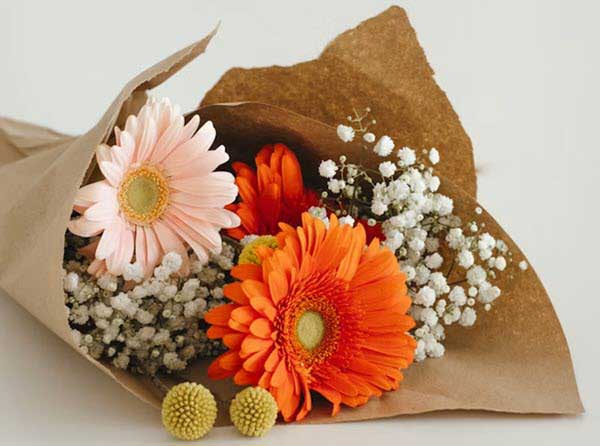
That is the charm of flower symbolism. It is not a strict code that every person reads the same way. Meanings come from history, but they also change with culture and personal experience.
This guide brings together the history of flowers and insights from Mount Kisco flower shop experts to help you choose blooms with greater intention. The goal is not to turn every arrangement into a puzzle. It is to understand how flowers can say more when the choice feels thoughtful.
The Old Flower Code Was Never Simple
The language of flowers, known as floriography, became especially popular in Europe and North America during the Victorian era. At a time when social rules often discouraged open displays of emotion, flowers offered a socially acceptable way to communicate feelings. People exchanged bouquets, pressed flowers into letters, and consulted flower dictionaries that assigned specific meanings to hundreds of blooms.
These symbolic guides were widely read, but they were far from standardized. A rose might represent love in one publication and passionate devotion in another. Yellow flowers could symbolize friendship in some contexts yet jealousy in others. Even the way flowers were arranged or presented could influence the message. Some guides suggested that a bloom handed with the right hand carried a different meaning than one offered with the left, while the inclusion of certain leaves or herbs could alter the interpretation of an entire bouquet.
Cultural differences added another layer of complexity. Meanings varied between countries, regions, and time periods, making flower symbolism more flexible than many modern charts imply. What mattered most was often the shared understanding between the sender and recipient rather than strict adherence to a universal code.
For modern flower lovers, this history is best viewed as a source of inspiration rather than a set of rules. Traditional meanings can add depth and intention to an arrangement, but personal associations, the occasion, and the recipient’s preferences usually carry far more significance than any historical flower dictionary.
Color Changes the Message
Color is often the first signal a person notices. Before someone thinks about the flower name, they respond to the feeling of the arrangement. A deep red bloom has a very different emotional weight from a pale pink one.
Red roses are the familiar example. They are tied to romantic love because the color feels direct and intense. That meaning is widely understood, which makes red roses powerful when the message is clear and risky when the relationship is more delicate.
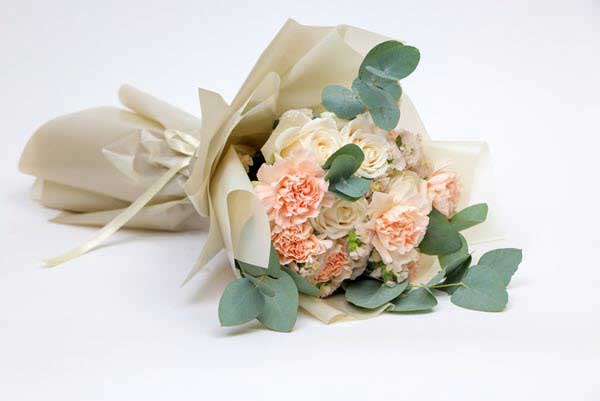
White flowers often carry a calmer message. In a wedding bouquet, white can feel fresh and hopeful. In a sympathy arrangement, it can feel gentle and respectful. The same color can feel different because the occasion changes the way people read it.
Gardeners can use color symbolism more subtly. A soft planting near a doorway can make a home feel welcoming before anyone says a word. A brighter bed near a seating area can give the space more energy. The meaning is not always literal, but the emotional effect is real.
The Occasion Shapes the Bloom
A flower’s meaning depends heavily on the moment in which it appears. A lily in a sympathy arrangement can suggest remembrance and respect. The same flower in a garden may feel graceful and architectural, with none of the same emotional weight.
This is why symbolic flowers should be chosen with care. A bloom does not arrive by itself. It arrives with the occasion, the card, the relationship, and the recipient’s expectations.
A birthday arrangement can be more playful because the message is usually warm and open. A condolence arrangement needs more restraint. The flower may be beautiful in both cases, but the emotional task is different.
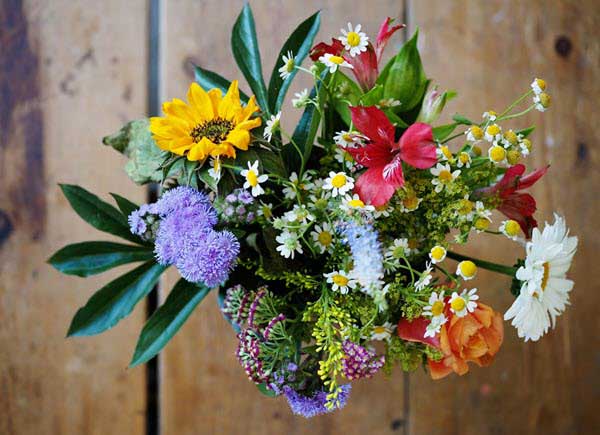
The safest choices are often the ones that match the tone of the moment. A romantic arrangement can be bold when both people understand the message. A gift for a neighbor or colleague usually works better when the symbolism is lighter and less intense.
Popular Blooms Carry Familiar Signals
Some flowers have meanings that many people recognize without studying old flower dictionaries. Roses are the clearest example. Their symbolism is so familiar that the color often carries most of the message.
Tulips have a softer kind of romance. They feel less formal than roses, which can make them a good choice when the message is affectionate but not overly dramatic. Their clean shape also gives them a modern feeling in arrangements.
Sunflowers often feel cheerful because of their open, bright form. Their meaning is easy to understand even when the recipient knows nothing about symbolism. They bring a sense of warmth that feels generous without needing much explanation.
Orchids send a more refined message. They can express admiration because they feel elegant and in control. As a plant gift, an orchid also has staying power, making the gesture feel more considered than a bouquet that fades quickly.
Garden Symbolism Is More Personal
In a garden, the meaning of flowers becomes part of daily life. A bouquet is received in one moment. A planted flower returns through the season and becomes part of the home’s rhythm.
This gives gardeners a different kind of freedom. A memorial rose need not follow a dictionary definition if it reminds someone of a loved one. A patch of daisies can feel meaningful because it connects with childhood, not because a chart says what daisies should mean.
Personal meaning is often stronger than traditional symbolism. The flower that grew beside a grandparent’s porch may carry more weight than a bloom with a famous history. A plant chosen for memory can make a garden feel intimate without needing to explain itself to every visitor.
That does not make traditional meanings useless. They can help shape a garden’s mood and give a planting plan more emotional depth. The key is to let symbolism support the garden, not turn it into a formal message board.
How to Choose Flowers with Meaning
A thoughtful flower choice starts with the person receiving it. Their favorite color is often a better guide than a strict symbolic rule. If they dislike a certain bloom, its traditional meaning will not rescue the gift.
The next question is tone. Some flower messages are clear and bold. Others are soft enough for friendship, gratitude, or comfort. A good arrangement fits the relationship without leaving the recipient guessing too much.
A card can help when the symbolism is personal. If a flower was chosen because it reminds you of a shared place or memory, say so simply. That short note gives the arrangement its real meaning.
Symbolism works best when it feels natural. The right flower does not need to prove how much the giver knows. It only needs to feel chosen with care. When the bloom, the moment, and the person all fit together, the message is easy to feel before it is ever explained.